
Colorado
Planning a Festival in Denver
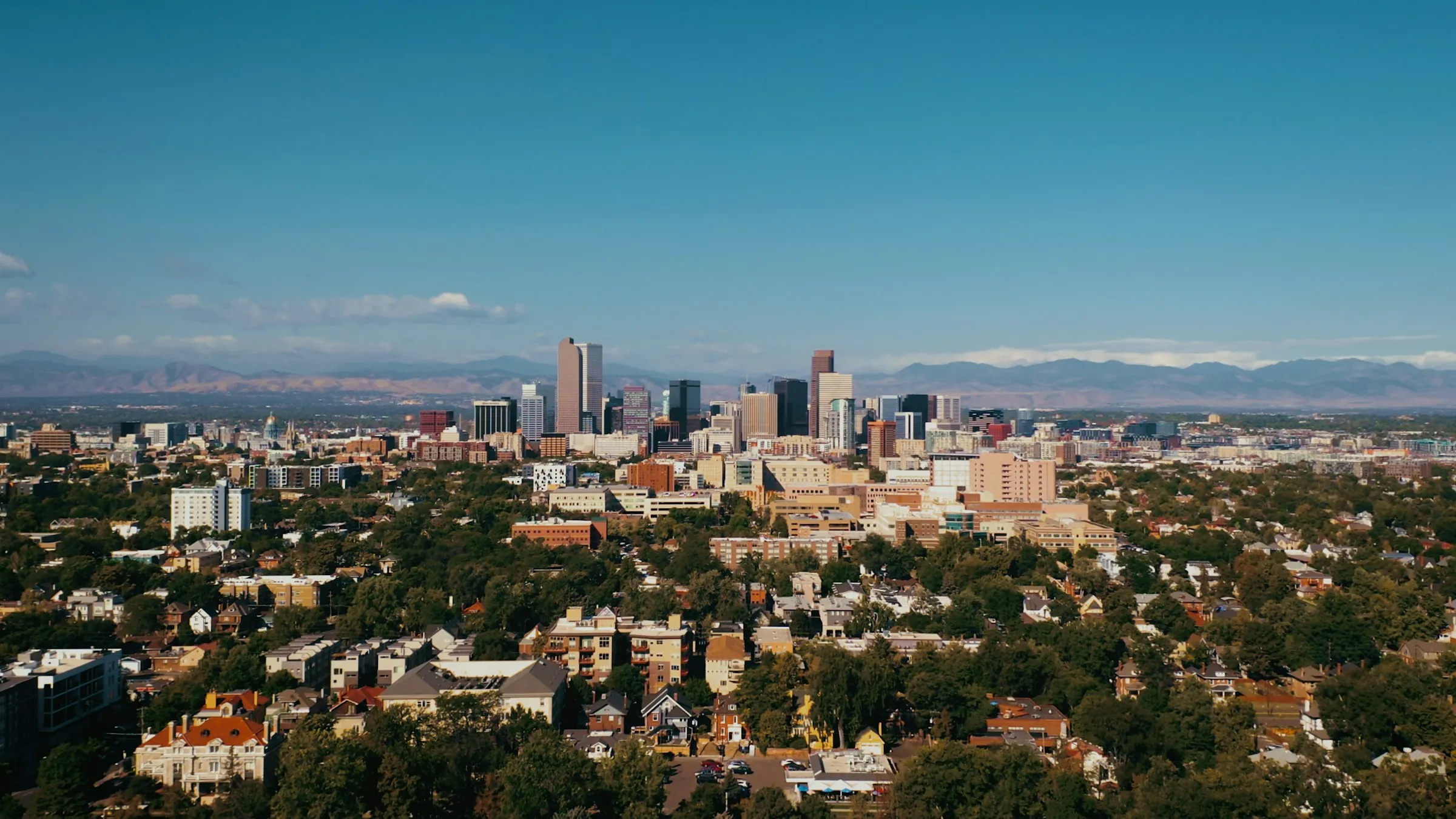
Denver hosts 100+ annual festivals drawing millions of attendees, from the 300,000-strong Cinco de Mayo celebration to the 350,000 who fill Cherry Creek for the nation's top outdoor arts festival. With 300 days of sunshine, a deep craft beer culture, and mountain-town energy in a major metro, this guide covers everything you need for festival planning in Denver: venues, permits, vendors, and local insights.
Top Venues & Outdoor Spaces
Park · 48,000+
Denver's flagship public event space adjacent to the State Capitol and Denver Art Museum. Home to the Cinco de Mayo Festival (300,000+ attendees) and multiple major annual events, with established electrical infrastructure and immediate light rail access.
Park · 20,000-50,000
Denver's largest park at 330 acres, home to the Colorado Black Arts Festival and summer concert series. Features the City Park Pavilion, open meadows, and views of the downtown skyline with the Rocky Mountains as backdrop.
Arena · 7,500
State-of-the-art outdoor amphitheater in Ruby Hill Park hosting 50+ free concerts each summer. Purpose-built for live music with professional sound infrastructure, becoming the new home of the Great American Beer Festival in 2026.
Sloan's Lake Park
Park · 10,000-30,000
177-acre urban park surrounding Denver's largest lake, with open green spaces, paved trails, and panoramic mountain views. Popular for community festivals and outdoor fitness events with ample room for vendor setup and staging.
Washington Park
Park · 10,000-25,000
Denver's most beloved neighborhood park at 165 acres with two lakes, mature tree canopy, and the historic Boathouse event facility. Strong residential walkability makes it ideal for community-oriented festivals.
Downtown District · 50,000+
Walkable sixteen-block neighborhood three miles from downtown, home to the Cherry Creek Arts Festival (350,000+ attendees). Pedestrian-friendly streets, strong retail and dining infrastructure, and multiple hotel options within walking distance.
Arena · 9,500
Iconic natural amphitheater in Morrison, just 30 minutes from downtown Denver. World-class acoustics carved from 370-million-year-old geological formations. The most recognizable outdoor music venue in Colorado.
Notable Festivals & Events
Cultural · May · 300,000+
One of the largest Cinco de Mayo celebrations in the United States, held at Civic Center Park with 300+ vendors, multiple stages, folklorico dancers, and mariachis. A Denver institution since 1988.
Arts · July · 350,000
Nationally ranked as the #1 outdoor arts festival in the US. Three days of 232+ juried visual artists, seven performance stages, and $11-13 million in annual economic impact for Denver.
Food & Drink · October · 60,000
America's premier beer competition and cultural phenomenon, held in Denver since 1984. Over 800 breweries pouring 3,900+ beers, with international judging across 96 categories.
Underground Music Showcase
Music · July · 15,000+
Denver's largest independent music festival with 200+ performances across outdoor stages and venues throughout the River North Art District, spotlighting emerging and indie artists.
Colorado Black Arts Festival
Cultural · July · 50,000+
Three-day celebration of African American arts and culture at City Park, featuring live music across three stages, 80+ artists and Black-owned businesses, and the historic Boogaloo parade. Celebrating its 40th anniversary in 2026.
Denver Food + Wine Festival
Food & Drink · August · 10,000+
Multi-day extravaganza showcasing Colorado's culinary scene with tastings, chef demonstrations, and wine and spirits programming from local and national producers.
Juneteenth Music Festival
Cultural · June · 25,000+
One of the nation's largest Juneteenth celebrations in the historic Five Points neighborhood. Features a parade dating back to the 1950s, live performances, art, and community vendors.
Denver Jazz Fest
Music · April · 10,000+
Week-long celebration spanning 15+ venues across Denver and Boulder, featuring 40+ shows of world-class national and international jazz artists alongside local performers.
Local Vendors & Services
Stage & Sound
Denver's go-to audio equipment provider for over 30 years, offering sales, rentals, and repair for sound reinforcement, DJ equipment, and live event production.
Equipment Rental
Full-service event rental company providing tents, staging, dance floors, lighting, sound systems, tables, chairs, and decor for outdoor events and festivals.
Tent & Structure
Colorado-based tent and party rental company specializing in frame tents, pole tents, and large-format structures for outdoor festivals and celebrations.
Catering
Denver-based catering company with extensive festival and large-event experience, offering customizable menus featuring Colorado-sourced ingredients.
Security
Colorado event staffing and security provider specializing in crowd management, access control, and event safety for festivals, concerts, and large public events.
Permits & Regulations
Public Event & Film Permitting (PEFP), City and County of Denver
Event Operational Permit (EOP) required for public events on city property. Submit application 60 days before event setup date (90+ days for complex events). Processing fees range $25-$250 based on attendance. $1M general liability insurance required naming the City as additional insured.
Official permit informationEvents taking vendors in Colorado
Every Colorado festival, craft fair, farmers market and pop-up listed on FestKit, with booth details, application deadlines, and how to apply.
Browse vendor events in ColoradoPlanning your Denver festival?
Open applications, fill the booths, and run opening day from one live event plan.
You're planning a festival in Denver, and you've chosen a city built for it. At 5,280 feet above sea level, with 300 days of sunshine and a population that treats outdoor events like a lifestyle, Denver delivers something most cities can't: reliably great weather, a deeply engaged audience, and mountain views as your backdrop. The Cinco de Mayo Festival fills Civic Center Park with 300,000 people every May. The Cherry Creek Arts Festival draws 350,000 over a single July weekend. These aren't outliers. Denver shows up.
This guide covers everything you need to plan a festival in Denver: the best venues and their sweet spots, the permitting process (thorough but navigable), weather considerations unique to high altitude, the vendor ecosystem, and the local culture that should shape your programming. Whether you're running a 1,000-person craft beer showcase or a 50,000-person music festival, the infrastructure and audience are here.
Why Denver for Festivals
Denver sits at the intersection of outdoor culture, craft beer capital, and a rapidly diversifying arts scene. The metro area's 2.9 million people skew young, active, and experience-hungry. This is a population that hikes before brunch and hits a brewery after, and that energy translates directly into festival attendance.
The city's cultural depth runs further than most organizers expect. Denver's Latino community, roughly 34% of the population, drives massive cultural celebrations anchored by the Cinco de Mayo Festival. The historic Five Points neighborhood, known as the "Harlem of the West," sustains a thriving jazz and Black arts tradition. The River North Art District (RiNo) has become one of the country's most vibrant street art corridors. And the craft beer scene, with 150+ breweries across the metro, is the backbone of the Great American Beer Festival, the nation's largest beer competition.
Geography helps too. Denver International Airport is a major hub, the RTD light rail system connects venues across the metro, and the Rocky Mountain backdrop adds production value you can't buy. For organizers targeting a regional draw, Denver sits within a day's drive of markets spanning Colorado, Wyoming, Nebraska, Kansas, and New Mexico.
Best Venues & Outdoor Spaces
Denver's venue options range from massive urban parks to purpose-built amphitheaters, and your choice determines everything from your site map layout to your load-in logistics.
Civic Center Park is the proven powerhouse. Located between the State Capitol and the Denver Art Museum, it handles events up to 48,000 and has hosted the Cinco de Mayo Festival's 300,000+ attendees across a weekend. It has established electrical infrastructure, immediate light rail access, and walkability to downtown hotels. The trade-off: residential neighbors and noise ordinance compliance require careful sound management.
City Park offers 330 acres of open meadow with the skyline and Rocky Mountains as your backdrop. It's where the Colorado Black Arts Festival runs every July, and the City Park Pavilion provides a built-in event facility. For festivals needing breathing room between stages and vendor areas, this is where you get it. If you want to avoid the layout mistakes that come from cramming too much into too little space, City Park gives you the acreage to do it right.
Levitt Pavilion in Ruby Hill Park is the purpose-built option: a state-of-the-art outdoor amphitheater with professional sound, 50+ free concerts each summer, and a 7,500 capacity that works for focused music festivals. The Great American Beer Festival is moving here in 2026, which tells you something about the venue's trajectory.
For something iconic, Red Rocks Amphitheatre (30 minutes from downtown in Morrison) needs no introduction. The 9,500-seat natural amphitheater is one of the most recognizable concert venues on the planet. It books well in advance and comes with its own permitting process through Jefferson County.
Navigating Permits & Regulations
Denver's permitting process is thorough but well-organized. The city's Public Event & Film Permitting (PEFP) office coordinates everything through a single application pipeline. For a broader overview of festival permits, see our complete permits and licensing guide.
The core permit is the Event Operational Permit (EOP), required for any public event on city property. Submit your application at least 60 days before your event setup date. For complex events with multiple street closures or large infrastructure needs, start the conversation 90 days out. Applications submitted less than 30 days before setup won't be accepted. Processing fees range from $25 to $250 based on expected attendance, with late submissions incurring double fees.
Park permits are separate. If your event is in a Denver park, you need a park permit from Denver Parks and Recreation in addition to the EOP. Submit the park application via email to park.permits@denvergov.org, and you'll receive a preliminary permit within seven business days. Park-specific requirements must be submitted 30 days before setup.
Insurance is non-negotiable. The City requires $1 million per occurrence in Commercial General Liability, $1 million for personal and advertising claims, and $2 million aggregate, with the City and County of Denver named as additional insured. Business auto coverage at $1 million combined single limits is also required.
Alcohol permits go through the Denver Department of Excise and Licenses. Submit at least 30 days before the event. Application fees are $100 with a $25/day licensing fee. Only sale by the drink is permitted, and qualifying organizations include nonprofits, civic groups, and arts-licensed venues.
Noise compliance is strictly monitored. For permitted events on public property, the limit is 85 dB(A) at the nearest residential properties between 8 AM and 10 PM, dropping to 50 dB(A) from 10 PM to 7 AM. The Denver Department of Public Health and Environment actively monitors events, and violations carry fines up to $5,000 per day.
Fire permits are required for tents over 200 square feet, generators over 5KW, any open flame, pyrotechnics, and propane equipment. Submit floor plans showing seating, stages, exits, and generator placement with 12-foot clearance from combustibles.
Weather & Seasonal Planning
Denver's high-altitude, semi-arid climate is a genuine asset for outdoor events, but it comes with specific risks you need to plan for.
April-May is the first prime window. Temperatures range from 55-75°F, humidity is low, and rain is moderate. Spring weather can shift dramatically (snow to 80°F in the same week), so build flexibility into your schedule. This is when the Denver Jazz Fest and early farmers' markets launch the outdoor season.
June-August is peak festival season. Expect highs of 85-95°F with low humidity, which means the heat is more manageable than in Southeast cities. The major risk is afternoon thunderstorms, which roll in almost daily between 2-5 PM from mid-June through August. These are typically brief (30-60 minutes) but intense, and lightning is a serious safety concern at altitude. You need a written weather protocol, a designated weather watcher, and a plan to shelter attendees in fully enclosed structures. Tents do not provide lightning protection. The National Weather Service in Boulder offers event-ready planning tools specifically for Colorado organizers.
September-October is the second prime window and arguably the best. Temperatures drop to 65-80°F, thunderstorm risk decreases sharply, and the fall foliage adds visual appeal. The Great American Beer Festival and Denver Film Festival anchor this window for good reason.
Altitude effects are real. At 5,280 feet, atmospheric pressure is 25% lower than sea level. Attendees (especially visitors) dehydrate faster, sunburn quicker, and feel alcohol more strongly. Plan for extra water stations, sunscreen availability, and staff trained on altitude-related health symptoms.
Local Food, Music & Culture
Denver's programming potential runs deep if you know where to tap in.
The food scene has evolved well beyond the mountain-town steakhouse reputation. Colorado lamb, Palisade peaches, Olathe sweet corn, and Rocky Mountain trout provide a local sourcing story that resonates with audiences. The craft beer culture is unavoidable and genuine: 150+ breweries spanning everything from Wynkoop (Colorado's first brewpub, 1988) to Raices Brewing (celebrating Latine culture) to Goldspot Brewing (queer and women-owned). If your festival doesn't have a beer component, you're leaving Denver's strongest cultural asset on the table. For tips on building your vendor roster, our guide on how to recruit food vendors covers where to find them.
Musically, Denver delivers across genres. The indie and electronic scenes are anchored by the Underground Music Showcase in RiNo. The jazz tradition runs through Five Points, where venues like Dazzle and Nocturne maintain a year-round calendar. Latin music (cumbia, reggaeton, bachata) draws large audiences reflecting the city's demographics. Country and bluegrass connect to the broader Colorado and Mountain West tradition. And Red Rocks attracts touring acts at every scale, creating a concert-literate audience that knows what good production looks like.
The visual arts scene, concentrated in RiNo and the Santa Fe Arts District, gives organizers built-in cultural infrastructure. Murals, galleries, and artist studios create neighborhoods where festival programming feels organic rather than imposed.
Logistics & Transportation
Denver's transit infrastructure makes festival logistics more manageable than most cities its size.
Load-in/load-out for downtown venues uses I-25 and I-70 as primary corridors. Civic Center Park has service access points, but street closures require CDOT coordination through your EOP application. City Park offers better truck access with less residential friction. For Red Rocks, there's a single access road, so coordinate load-in windows carefully with the venue.
Attendee transportation is a real strength. The RTD light rail covers 113 miles across 12 lines, connecting downtown venues to neighborhoods across the metro. The 16th Street FreeRide shuttle provides free transit through the downtown core. Denver International Airport connects via the A Line train to Union Station every 15 minutes. For venues outside the light rail network, plan shuttle service and budget for parking management.
Hotels cluster downtown and along I-25 corridors, with 12,000+ rooms in the downtown area alone. For multi-day festivals, negotiate room blocks early. Denver's convention calendar fills hotels fast, especially during Broncos season and major events like the National Western Stock Show. Consider your vendor placement strategy early so you can advise vendors on where to stay relative to their setup locations.
Power at city parks requires generator rental unless you've arranged utility tie-ins through your permit. Budget for generators at Civic Center Park and City Park. Levitt Pavilion and the National Western Center have built-in power infrastructure. Fire code requires generators to maintain 12-foot clearance from combustibles with no refueling during event operation.
Tips from Local Organizers
- Build a 60-minute weather pause into summer schedules. Afternoon thunderstorms between 2-5 PM are nearly daily in June through August. Experienced Denver organizers treat it as intermission, not emergency. Have your weather watcher monitoring the National Weather Service radar from Boulder.
- Hydration stations aren't optional at altitude. Attendees need roughly twice the water intake they would at sea level. The dry air and increased UV exposure compound the effect. Plan more water access points than you think you need, and make sunscreen available. A sustainable festival plan that includes reusable water bottle fill stations also plays well with Denver's environmentally conscious audience.
- Partner with local breweries early. Denver's brewery community is collaborative and experienced with events. Brewery partnerships provide built-in marketing reach, quality control on beverage service, and credibility with Denver's beer-literate audience. Start outreach six months before your event.
- RiNo and Five Points are your grassroots marketing channels. These neighborhoods have the densest concentration of Denver's festival-going demographic. Brewery tap takeovers, coffee shop poster campaigns, and local business cross-promotions here outperform digital ads for community buzz.
- Don't underestimate the noise ordinance. Denver's 85 dB(A) limit at the nearest residential property is actively monitored, and fines reach $5,000 per day. Invest in sound engineers who know how to direct and contain audio. Face stages away from residential areas when your site layout allows.
- Get your vendor contracts locked early. Denver's vendor ecosystem is experienced but in demand during peak season (June-October). The best tent, sound, and catering companies book up fast.
Ready to Plan Your Denver Festival?
Denver checks every box a festival organizer needs: proven venues that scale from intimate to massive, 300 days of sunshine, an audience that lives for outdoor experiences, a deep vendor bench, and cultural programming potential that spans craft beer, Latin heritage, jazz, indie music, and visual arts. The 350,000 people who pack Cherry Creek North every July and the 300,000 who fill Civic Center Park for Cinco de Mayo aren't anomalies. They're the baseline for a city that treats festivals as part of its identity.
Whether you're launching a new food and beer festival at Levitt Pavilion or bringing a multi-day music event to City Park, the infrastructure is here. And if this is your first event, our first-year festival guide covers how to compete with established events from day one. Tools like FestKit can help you map your site, manage your vendors, and share interactive maps with attendees so you can focus on the programming that makes your festival worth the trip to the Mile High City.
Ready to start planning? List your event on FestKit and take vendor applications for free. The site plan and live attendee maps are there when you want them. Start free.
Free to list · Free to take applications
Open applications.
Start filling the roster.
Get discovered by vendors, collect what they owe, and keep every application moving. Start free. Upgrade when you are ready to coordinate opening day across every event.
$0 to start
and it never expires
Self-serve
set up in minutes
14-day trial
of everything else
2% on vendor payments · No subscription required