
Tennessee
Planning a Festival in Nashville
Nashville is one of America's premier festival cities, with 40+ annual outdoor events powered by a deep musical heritage, a booming food scene, and an audience that lives for live experiences. From CMA Fest to the Hot Chicken Festival, this guide covers everything you need for festival planning in Nashville: venues, permits, vendors, and local insights.
Top Venues & Outdoor Spaces
Park · 10,000-30,000
Nashville's flagship 132-acre park and home to the iconic Parthenon replica. Features the Great Lawn, Lake Watauga, and multiple event zones. Hosts Musicians Corner, the Music City Food & Wine Festival, and Celebrate Nashville.
Fairgrounds · 10,000-50,000
Versatile event complex near downtown with indoor and outdoor spaces, ample flat acreage, parking, and utility hookups. Home to the Nashville Fair and the monthly flea market, with proven infrastructure for multi-day events.
Riverfront Park
Waterfront · 5,000-15,000
Downtown waterfront park along the Cumberland River with tiered lawns and plaza spaces. CMA Fest runs its free Chevy Riverfront Stage here. Scenic backdrop ideal for music-focused festivals and community events.
Shelby Park
Park · 5,000-20,000
Sprawling 300+ acre park two miles east of downtown along the Cumberland River. Multiple programming zones, river views, picnic shelters, and the adjoining 900-acre Shelby Bottoms Greenway. Ideal for multi-day festivals needing diverse activity areas.
Arena · 6,800
Purpose-built outdoor amphitheater on the riverfront near downtown. Professional staging, sound, and lighting infrastructure already in place. Used by CMA Fest and major touring acts. Turnkey option for music-focused events.
Park · 3,000-10,000
19-acre state park just north of the Capitol building with open lawns, walkways, and a 200-foot granite map of Tennessee. Clean, well-maintained, and walkable from downtown hotels. Good for mid-size cultural and community events.
Notable Festivals & Events
Music · June · 95,000
North America's longest-running country music festival, now in its 53rd year. Four days of 300+ performances across downtown venues including Nissan Stadium, Riverfront Park, and Ascend Amphitheater.
Food & Drink · April · 10,000+
Three-day celebration of Nashville's culinary scene on Centennial Park's Great Lawn. Grand tastings, chef competitions, wine and spirit pairings, and vendor markets featuring local restaurants.
Food & Drink · July · 13,000
Free annual celebration of Nashville's signature dish on July 4th at East Park. Amateur cooking competitions, hot chicken vendors including Prince's and Hattie B's, live music, and a fire truck parade.
Cultural · October · 15,000+
Free multicultural festival at Centennial Park celebrating Nashville's diverse communities. International dance, music, cuisine from around the world, and children's activities across multiple stages.
Arts · September · 100,000+
Three-day showcase of fine art and contemporary craft by American artists, now in its 44th year. Over 200 artists and artisans at Centennial Park with free admission.
Tin Pan South Songwriters Festival
Music · March · 20,000+
The world's largest songwriter festival. Five days of intimate 'songwriter in the round' performances across ten Nashville venues, celebrating the craft behind the hits.
Nashville Fair
Multi-genre · September · 100,000+
Annual state fair at The Fairgrounds Nashville with carnival rides, livestock shows, live entertainment, food vendors, and competitions. A tradition dating back over a century.
Americana Music Festival & Conference
Music · September · 10,000+
Five-day industry event positioning Nashville as the capital of Americana music. Showcases, panels, and networking for artists and industry professionals from around the world.
Local Vendors & Services
Stage & Sound
Full-service sound, lighting, and staging production with over 30 years of Nashville festival experience. Custom audio configurations from intimate setups to major line arrays.
Tent & Structure
Nashville's leading tent and event rental company with 26 years and 45,000+ events. Frame tents, pole tents, and full event furnishings with professional setup and breakdown.
Equipment Rental
Tables, chairs, staging, linens, and event accessories for festivals and large outdoor gatherings across Middle Tennessee.
Catering
Full-service Nashville catering company specializing in large events, offering customizable menus from Southern comfort food to international cuisine.
Portable Restrooms
Affordable restroom trailer and temporary fence rental in Nashville. Clean units with fast delivery for outdoor festivals and events.
Permits & Regulations
Metro Nashville Parks & Recreation, Special Events Office
Special Events Permit required for festivals on Metro Parks property. Events with amplified sound, alcohol, or fundraising require Parks Board approval; submit at least 45 days before the next board meeting (first Tuesday of each month). $1M general liability insurance required.
Official permit informationEvents taking vendors in Tennessee
Every Tennessee festival, craft fair, farmers market and pop-up listed on FestKit, with booth details, application deadlines, and how to apply.
Browse vendor events in TennesseePlanning your Nashville festival?
Open applications, fill the booths, and run opening day from one live event plan.
You're planning a festival in Nashville, and you've picked a city where live events aren't a novelty. They're the foundation. Nashville draws millions of people to outdoor events each year, from the 95,000 fans who pack downtown for CMA Fest to the thousands who line up for free hot chicken on the Fourth of July. This is a city built on stages, songwriters, and showing up.
What makes Nashville work for organizers goes beyond the music reputation. You get a metro of 2 million people with deep cultural identity, a compact downtown core surrounded by parks built for public gatherings, a vendor ecosystem shaped by decades of major events, and a permitting process that's well-documented (if detailed). Whether you're launching a 1,000-person food festival or a 30,000-person multi-day event, this guide covers the venues, permits, vendors, weather, and local knowledge you need to make it happen.
Why Nashville for Festivals
Nashville's identity as "Music City" goes back to the 1700s, but the modern festival scene has expanded far beyond country music. The city's rapid population growth has brought a younger, more diverse audience hungry for experiences across every genre: food and drink, visual arts, multicultural celebrations, and music spanning hip-hop, bluegrass, Americana, gospel, and Latin genres. One in six Nashville residents is foreign-born, and that diversity shows up in the event calendar.
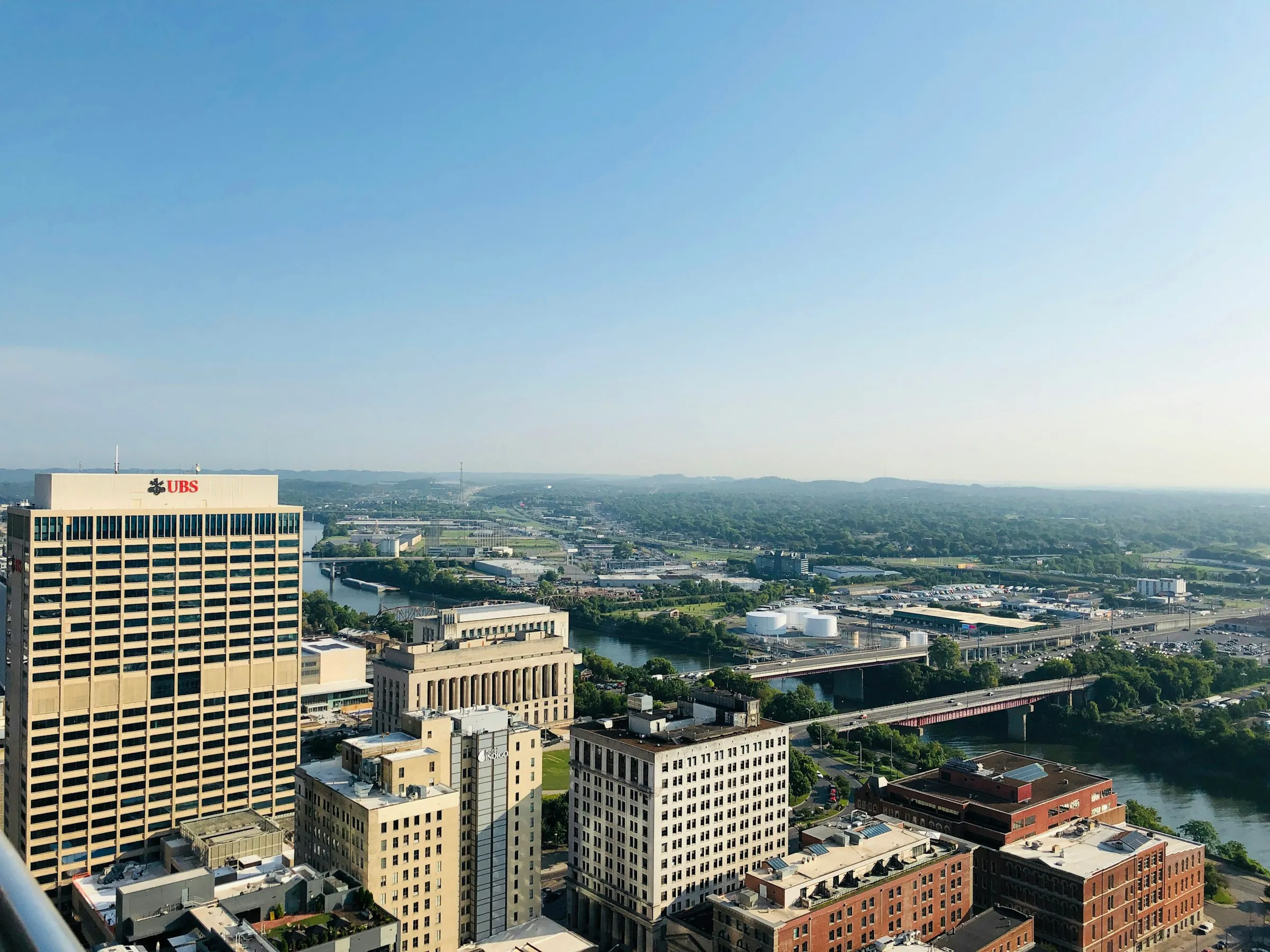
The local infrastructure supports this appetite. Downtown Nashville packs multiple festival-capable venues within walking distance of each other. CMA Fest runs stages at Riverfront Park, Ascend Amphitheater, Nissan Stadium, and Music City Center simultaneously. That kind of multi-venue density is rare for a city this size. The Nashville International Airport is a major hub, and the city sits within a day's drive of a third of the U.S. population, making it a natural draw for regional audiences.
There's also a built-in culture of supporting live events. Nashville residents don't need convincing to attend festivals; they expect them. That baseline enthusiasm gives organizers a head start on attendance that many cities can't match.
Best Venues & Outdoor Spaces
Nashville's venue landscape gives you options from intimate urban parks to sprawling fairgrounds, and your choice shapes everything from your site map layout to your vendor logistics.
Centennial Park is the workhorse. At 132 acres with the Great Lawn, Lake Watauga, and the Parthenon as a backdrop, it hosts the Music City Food & Wine Festival, Celebrate Nashville, and the American Artisan Festival. It's proven at scale with established infrastructure, nearby parking, and transit access. The trade-off: it's a heavily used public park, so coordinating your event around regular visitors and other bookings requires early planning.
The Fairgrounds Nashville is your best bet for multi-day events needing dedicated space. Located minutes from downtown, it offers flat acreage, parking lots, utility hookups, and indoor facilities. The Nashville Fair runs here every September, so the infrastructure for large-scale operations already exists. If you need camping, vehicle access, or room to spread out, this is the venue to investigate first.
For a downtown waterfront feel, Riverfront Park puts your event on the Cumberland River with skyline views. CMA Fest uses it for the free Chevy Riverfront Stage, and the tiered lawns handle mid-size crowds well. Don't overlook Shelby Park either. Its 300+ acres just east of downtown give you room for multi-zone programming that would feel cramped elsewhere. It's also far enough from residential areas to reduce noise complaints, which simplifies your layout planning.
Navigating Permits & Regulations
Nashville's permitting process runs through the Metro Parks & Recreation Special Events Office for events on park property. For a broader look at what permits festivals typically need, see our complete permits and licensing guide. Here's how it works in Nashville specifically.
The core permit is the Special Events Permit. If your event involves amplified sound, alcohol sales, or fundraising, it requires Metro Parks Board approval. The board meets the first Tuesday of each month, and your application must be submitted at least 45 days before that meeting. Events that don't trigger board review still need two weeks' advance notice. The Special Events Office (615-862-8446) will walk you through availability and requirements before you submit.
Insurance is mandatory. You need $1 million in general liability coverage naming Metro Parks as additional insured. If you're serving alcohol, add liquor liability coverage. Get your broker working on this immediately because it's a prerequisite for everything else.
Alcohol requires two layers. First, get Parks Board approval for alcohol service at your event. Then apply for a Tennessee Alcoholic Beverage Commission (TABC) festival license: $300 application fee plus $1,000 per day. All servers need TABC training or valid server permits. Your event must have approved fencing around alcohol zones, and sales stop 30 minutes before the event ends. A digital site map showing every alcohol sales point makes this process much smoother.
Tent permits apply to any structure over 200 square feet. The Fire Marshal's Office requires applications at least 15 business days out. Important Nashville-specific detail: Metro Parks enforces a no-staking policy. All tents and temporary structures must be secured with water ballast, not stakes. Budget for this and communicate it to your tent vendor early.
Amplified sound events need the Parks Board's sign-off, which is covered in your Special Events Permit if you flag it on the application.
Pro tip: For events expecting 1,500+ attendees, Metro Parks may require you to hire their maintenance staff for on-site monitoring, invoiced separately. Factor this into your budget planning from the start.
Weather & Seasonal Planning
Nashville's humid subtropical climate gives you a long outdoor season, but each window has trade-offs.
April-May is the prime window. Temperatures sit in the 60-80°F range, humidity is manageable, and rain is moderate. The Music City Food & Wine Festival and Tin Pan South both run during this stretch. The only risk is an occasional late cold snap in early April.
June-August brings the heat. Expect highs of 85-92°F with humidity that makes it feel worse. Afternoon thunderstorms roll through almost daily from mid-June through August, usually brief but intense. CMA Fest runs in early June and pushes through it, but they've got decades of weather protocol. If you're planning a summer event, budget for covered areas, misting stations, and build a 60-90 minute weather pause into your afternoon schedule.
September-October is the second sweet spot. Temperatures drop to 65-80°F, humidity eases, and the Nashville Fair, American Artisan Festival, and Americana Music Festival all cluster here for good reason. October is excellent for outdoor events before temperatures dip.
November-March is possible but risky. Nashville winters are mild compared to the Midwest (40-55°F daytime), but cold rain and unpredictable weather suppress attendance. Indoor or hybrid formats work better.
Local Food, Music & Culture
Nashville's food identity starts with hot chicken, and it's not optional. Prince's Hot Chicken Shack created the dish decades ago, and it's become a global phenomenon, but it remains fiercely local. The Music City Hot Chicken Festival on July 4th draws 13,000 people for a reason. Beyond hot chicken, Nashville's culinary scene includes James Beard-recognized restaurants, a thriving food truck community, and cuisines reflecting the city's growing Latin American, Ethiopian, and Kurdish communities. If you're building your vendor roster from scratch, our guide on how to recruit food vendors covers where to find them.
Music permeates everything here. Country and bluegrass run deep, but Nashville's contemporary scene spans Americana, hip-hop, gospel, R&B, indie rock, and a growing Latin music circuit. The Grand Ole Opry has run continuously since 1925. The Bluebird Cafe built a global reputation on intimate songwriter rounds. Songwriting culture is so embedded that even non-music festivals incorporate live performances. Tap into this: Nashville audiences expect music at every outdoor event, regardless of the primary theme.
The visual arts scene, concentrated in neighborhoods like East Nashville and Germantown, adds another layer. Interactive art installations and murals have become festival staples. The American Artisan Festival draws 100,000+ visitors with handmade craft and fine art alone. Art as experience, not decoration, resonates strongly here.
Logistics & Transportation
Nashville's downtown density makes multi-venue festivals feasible, but traffic management is the price of admission.
Load-in/load-out for downtown parks uses I-40 and I-24 to reach the core. Most parks have service access points, but plan for early morning load-in before downtown traffic builds. Centennial Park's West End Avenue location means coordinating with busy surface streets. The Fairgrounds, by contrast, has dedicated vehicle access and large staging areas that simplify vendor setup.
Attendee transportation is improving. WeGo Public Transit operates fixed-route bus service, and ride-share is reliable in the downtown core. For events at The Fairgrounds or Shelby Park, plan shuttle service from remote parking areas. Nashville is still a car-first city, so parking capacity matters. Negotiate with nearby lot operators for overflow.
Hotels cluster downtown (Hilton Nashville, Hyatt Centric, Drury Plaza) and along I-24/I-40 corridors. For multi-day festivals expecting out-of-town attendees, negotiate room blocks early. Nashville's tourism calendar is aggressive, and hotel inventory moves fast during CMA Fest week and NFL season. Gaylord Opryland Resort offers massive capacity outside downtown if you need it.
Tips from Local Organizers
- Metro Parks' no-staking policy catches first-timers off guard. Every tent and canopy must be ballast-secured, not staked. Tell your tent vendor before they show up with a mallet and find out the hard way.
- Book off-duty MNPD officers early. Security and traffic control through the Metro Nashville Police Department books fast during festival season (April-October), especially for events over 1,500 attendees.
- Centennial Park is popular for a reason, but it's also competitive. Apply as early as possible. If your event can work at Shelby Park or Bicentennial Mall, you'll face less scheduling competition and potentially lower fees.
- The afternoon thunderstorm is not a crisis. In summer, experienced Nashville organizers build a weather pause into the schedule between 2-5 PM. Treat it as intermission and your audience will roll with it.
- Get your vendor contracts buttoned up. Nashville's vendor scene is collaborative and professional, but clear terms protect both sides, especially around weather cancellation policies and alcohol liability.
- East Nashville and Germantown are your grassroots marketing channels. These neighborhoods have the densest concentration of Nashville's festival-going demographic. Brewery partnerships, coffee shop flyers, and local business cross-promotions here outperform digital ads for building early buzz.
Ready to Plan Your Nashville Festival?
Nashville has everything a festival organizer needs: world-class venues, an audience that shows up rain or shine, a vendor bench built by decades of major events, and a city that treats live experiences as core identity. The 95,000 people who packed downtown for CMA Fest aren't an anomaly. They're the culture.
Whether you're launching a food festival at Centennial Park or a multi-day music event at The Fairgrounds, the infrastructure and audience are here. If this is your first event, our first-year festival guide covers how to compete with established festivals from day one.
Tools like FestKit can help you map your site, manage your vendors, and share interactive maps with attendees so you can focus on the programming that makes your festival worth attending.
Ready to start planning? List your event on FestKit and take vendor applications for free. The site plan and live attendee maps are there when you want them. Start free.
Free to list · Free to take applications
Open applications.
Start filling the roster.
Get discovered by vendors, collect what they owe, and keep every application moving. Start free. Upgrade when you are ready to coordinate opening day across every event.
$0 to start
and it never expires
Self-serve
set up in minutes
14-day trial
of everything else
2% on vendor payments · No subscription required