
Industry Trends · For organizers
Festival Sponsorship Strategy: How Smaller Events Land and Keep Sponsors
Build a festival sponsorship strategy that wins partners and renews them. A practical guide to packages, pitching, activations, and proving ROI for small events.
Sponsors Don't Buy Logos on Banners Anymore. They Buy Outcomes.
Introduction
Sponsorship can be the difference between a festival that breaks even and one that grows. But if your pitch is still a tiered list of banner sizes and logo placements, you're selling something sponsors have stopped buying. Today's partners want to reach your audience in a way they can feel and measure, and the events that understand that are the ones landing multi-year deals.
You don't need a massive festival to win real sponsorship. You need the right partners, packages built around value instead of signage, and proof that their money did something. This guide walks through how smaller and mid-size festivals build a sponsorship program that attracts good partners and, more importantly, keeps them.
Why Sponsorship Strategy Is Changing
Sponsorship used to be a branding transaction: pay a fee, get your logo on the stage. That model is fading because brands can now measure almost everything they spend on, and a static logo doesn't produce numbers. What produces numbers is experience, engagement, and data.
For festivals, this shift is good news. It means you compete on the strength of your audience relationship, not just your headcount. A tight-knit community festival with an engaged, local crowd can be more valuable to the right sponsor than a bigger event with a generic audience.
It also changes what you sell. The most durable sponsorships now center on activations that give attendees something real and give the sponsor a reason to come back. When you shift from selling placements to selling outcomes, you stop chasing one-year deals and start building partnerships.
Key Elements of a Sponsorship Program
Tiered Packages Built on Value
Structure your offerings in clear tiers, but define each one by what the sponsor gets to do, not just where their logo goes. A top tier might own a stage or an experience zone; a mid tier might sponsor a specific activation; an entry tier might get presence and mentions. Clear tiers make it easy for a prospect to see themselves at a level and easy for you to upsell.
Value-in-Kind, Not Just Cash
Cash is only one form of sponsorship. A beverage partner, a local print shop, a rideshare credit, or an equipment supplier can offset real costs through goods and services. Value-in-kind partners are often easier to land than cash sponsors and can lower your budget as effectively as a check.
Activations Attendees Actually Enjoy
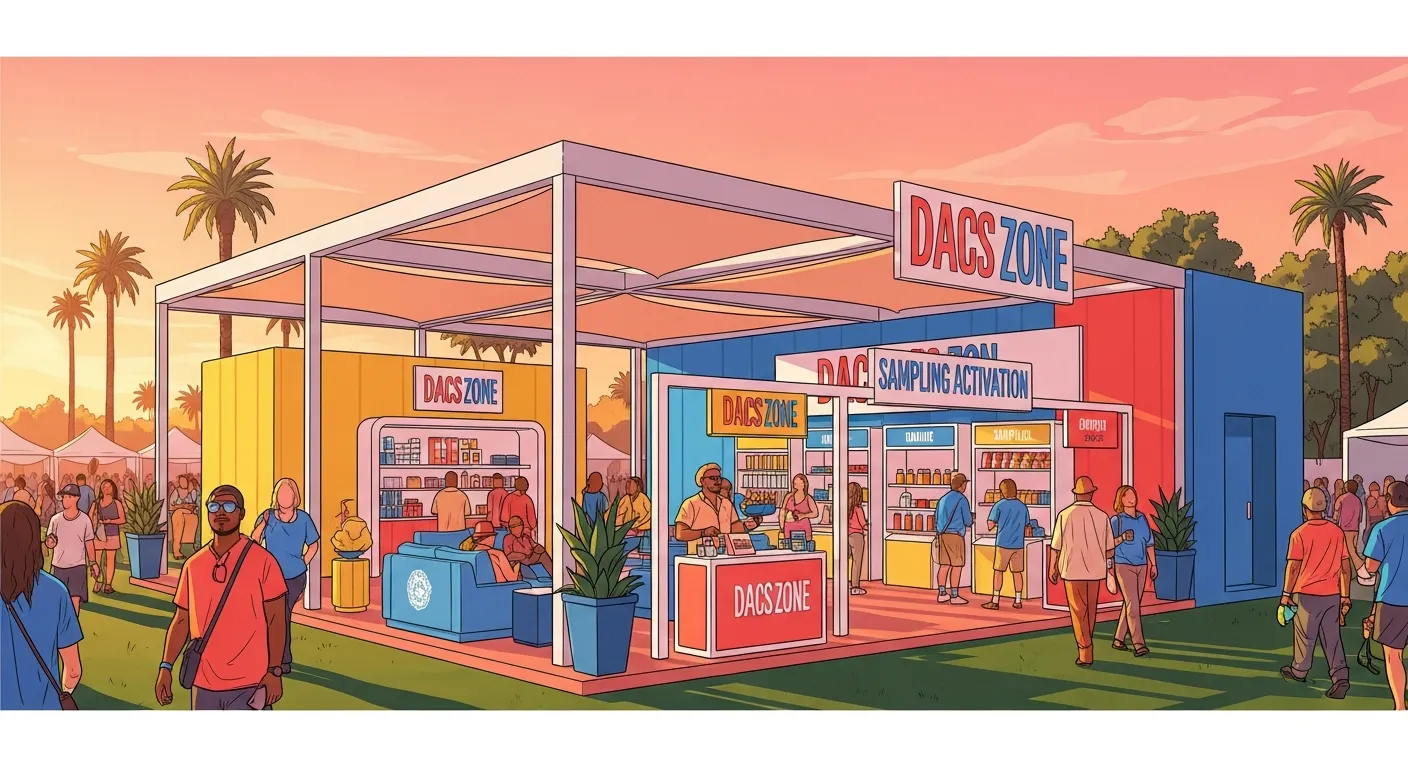
The best sponsorships give attendees something: a shaded lounge, a phone-charging station, a sampling booth, an interactive photo moment. Activations work because everyone wins. Attendees get a perk, the sponsor gets genuine engagement, and you get a better event without paying for that amenity yourself.
The Right Partner Fit
A mismatched sponsor feels like an ad; a well-matched one feels like part of the festival. Prioritize brands whose audience overlaps yours and whose presence makes sense to your crowd. Fit is what makes attendees receptive and what makes sponsors renew.
6 Steps to Land and Keep Sponsors
-
Build a prospect list around audience fit. Start with brands that already want to reach your specific crowd, especially local businesses with a natural connection to your community. Fit beats size.
-
Package around outcomes, not signage. Define each tier by the experience and access a sponsor gets. Lead with what they can do at your event, not how big their logo will be.
-
Pitch with your audience story. Sponsors buy access to your community. Show who attends, how engaged they are, and why this specific brand belongs there. Specific beats generic every time.
-
Deliver the activation well. Make the sponsor look good on site. A well-run activation is your best sales tool for the renewal conversation, because the sponsor experiences the value firsthand.
-
Report back with real numbers. After the event, send a recap with what the sponsor got: reach, engagement, activation traffic, and any data you can show. Reporting is what separates a one-time check from a renewing partner.
-
Open the renewal early. Come back to happy sponsors before they plan next year's budget, with a recap in hand and a first look at next year. Retention is far cheaper than starting from zero.
Common Sponsorship Questions Organizers Face
-
How do I prove ROI when I'm a smaller event? Report what you can measure: activation foot traffic, engagement, reach, and audience data. A credible recap with real numbers beats a vague claim about impressions, even at a small scale.
-
How do I get sponsors to renew instead of chasing new ones every year? Deliver a great on-site experience, report results promptly, and reopen the conversation early. Renewals come from sponsors who saw value and were reminded of it at the right moment.
-
We can't land big cash sponsors. What now? Lean on value-in-kind and local partners. Goods, services, and community brands can cover real costs and are often more attainable than national cash deals.
-
How do I avoid sponsors that feel out of place? Screen for audience fit before you pitch. A partner whose brand matches your crowd enhances the event; one that doesn't reads as an intrusion and rarely renews.
Expert Tips for Sponsorship
Sell the Relationship, Not the Reach
Your advantage over a billboard is that attendees trust your festival. Frame sponsorship as borrowing that trust through a genuine experience, not renting eyeballs. Brands pay more for authentic connection than for raw exposure.
Make the Sponsor Part of the Map
Put sponsored zones, stages, and activations on your interactive attendee map so people actually find and visit them. A sponsor placement attendees can navigate to delivers real traffic, and traffic is what you report back.
Build a Recap Template Before the Event
Decide what you'll measure and report before doors open, not after. Knowing your recap format up front tells you exactly what data to capture during the event, so the renewal pitch writes itself.
Turn Sponsors Into Long-Term Partners
Sponsorship isn't about how many brands you can list on a banner. It's about matching the right partners to your audience, giving them a way to create genuine engagement, and proving what that engagement was worth. Do that, and one-year checks become multi-year partnerships that fund your festival's growth.
FestKit helps you make a sponsored stage, zone, or activation discoverable on the attendee map. Measure engagement with the tools and process you choose for the activation, then bring those results into your recap. Build the program around outcomes, and your best sponsors will plan their year around your event.
Running an event? List it on FestKit and take vendor applications for free. The site plan and live attendee maps are there when you want them. Start free.